


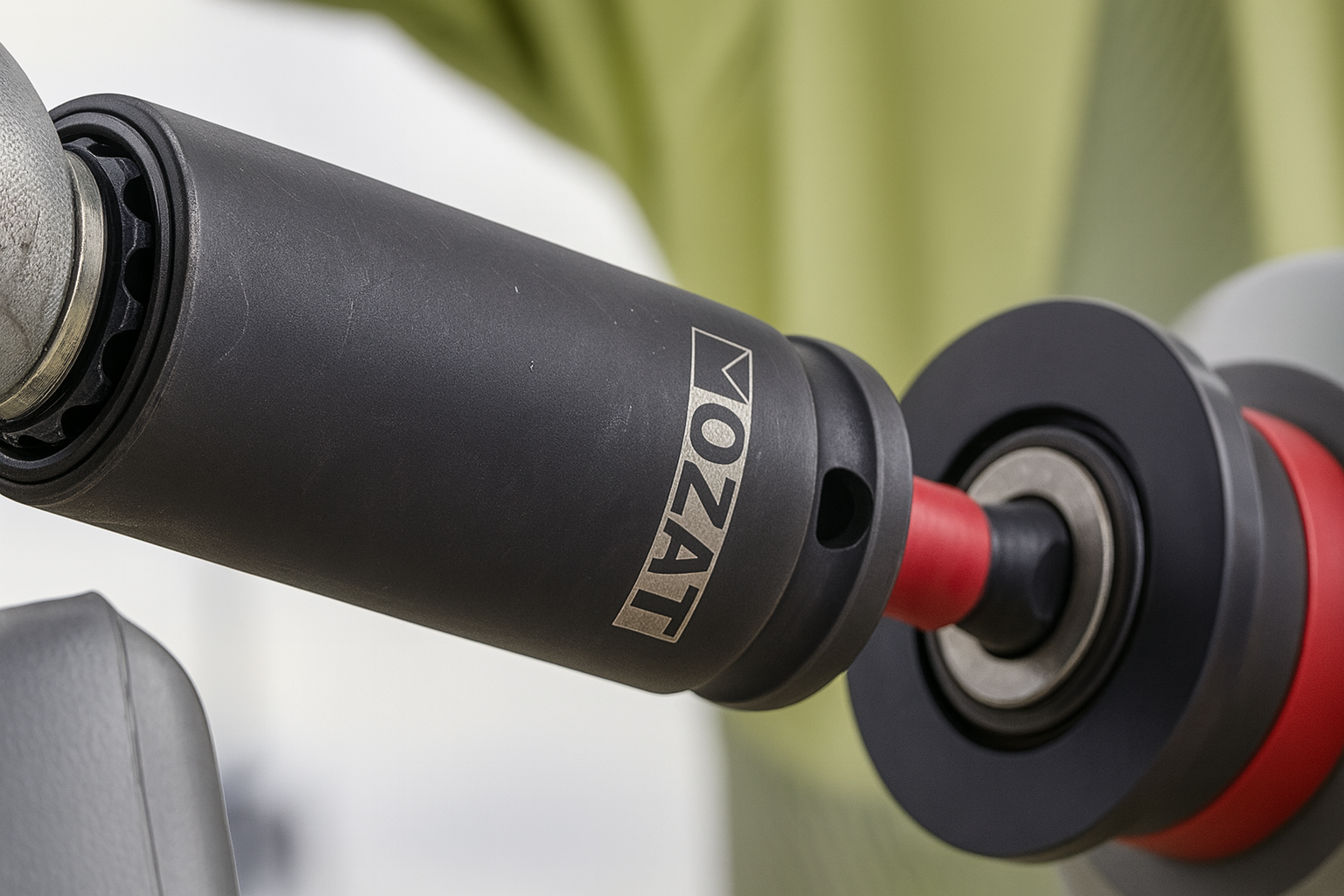
In industrial settings, impact sockets are more than just tools. They are essential for completing tasks safely and efficiently. Designed to withstand high-torque applications, impact sockets resist cracking, wear, and deformation, even under the toughest conditions. Their precise fit keeps fasteners secure, reducing the risk of rounding or stripping while maximizing torque transfer from impact wrenches. The right impact sockets improve productivity, protect equipment, and ensure operator safety, making industrial operations smoother, faster, and more reliable.
Why Impact Sockets Matter in Industry
Impact sockets are engineered to handle the extreme forces produced by pneumatic, electric, or hydraulic tools. Unlike standard sockets, they feature thicker walls and stronger materials to absorb sudden torque without cracking. In environments that involve loosening rusted bolts, assembling large equipment, or performing repetitive high-force fastening, impact sockets are indispensable. Using sockets rated for impact not only improves torque transfer and reduces wear on fasteners but also safeguards both workers and tools. Investing in high-quality, heavy-duty sockets helps maintain productivity while minimizing maintenance issues and safety risks.
Material and Build Quality Are Key
The durability of an impact socket begins with its material. Chrome molybdenum is often preferred in industrial applications because it balances toughness and flexibility, allowing the socket to endure high-stress conditions without deforming. Protective finishes, such as black oxide or phosphate coatings, help prevent corrosion, which is especially important for tools exposed to moisture, chemicals, or outdoor conditions. High-quality materials and coatings ensure longer service life, lower replacement costs, and consistent performance under demanding conditions.
Safety Cannot Be Compromised
Using standard sockets with impact tools is dangerous. They are not built to handle sudden forces and can shatter, sending fragments flying. Heavy-duty sockets that meet established safety and performance standards are essential. Regular inspections for cracks, wear, or distortion before each use help prevent accidents. Although high-quality impact sockets may cost more initially, they reduce long-term risks, protect equipment, and keep workers safe.
Compatibility with Your Tools Matters
A common issue in industrial settings is using sockets that do not match the power tools. Mismatched sockets can strip fasteners, reduce efficiency, and damage equipment. Always ensure that your sockets are compatible with the drive type and torque output of your tools. Proper compatibility ensures smooth operation, maximizes productivity, and extends the life of both sockets and tools.
Consider Environmental Factors
Industrial work often occurs in harsh environments such as construction sites, factories, or outdoor facilities. Dust, moisture, and extreme temperatures can affect socket performance and longevity. Choosing corrosion-resistant impact sockets and storing them properly can make a significant difference. Regular cleaning and maintenance further extend their service life, keeping them reliable even in demanding conditions.
Conclusion: Invest in Quality for Consistent Results
Selecting the right impact sockets is about more than just fit. It is about safety, durability, and smooth operations. Focusing on material quality, tool compatibility, and environmental factors allows you to make informed choices that enhance both productivity and worker safety. In industrial operations, impact sockets are not optional accessories; they are critical components of a reliable and efficient workflow. Choosing the right ones ensures your tools deliver safe, consistent performance for years to come.
Leave a Reply